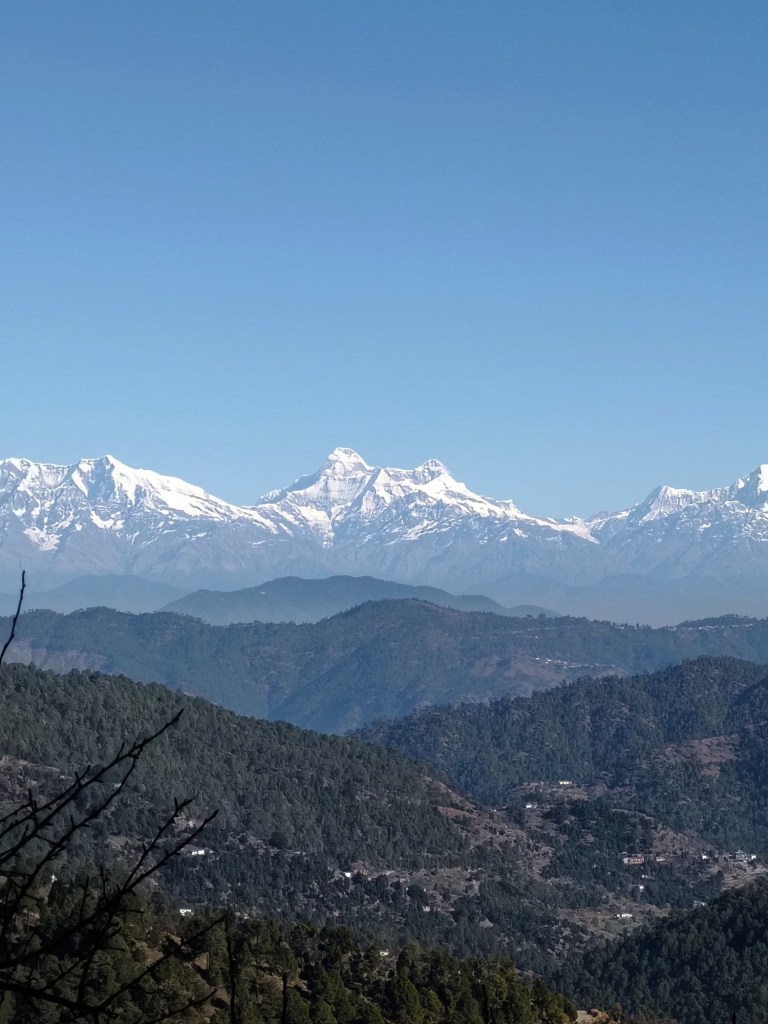
A laid-back Diwali

Flights make me dizzy, pray harder, cuss a bit and more, but here I’m, ready to take a flight to Delhi. At present, we are at the airport. And I’m happy to see so many shopping outlets at the Mumbai airport. I could easily kill two hours at these stores, but today, I plan to skip these entirely. We are situated near our gates. And ten minutes into entering this space, our food bag is wide open. The kids eat some roasted Makhanas and I snack on my roti-achar. I try to see the travellers around me and guess who is taking which flight. After an hour, I kind of guess who’s flying to Delhi with me. A guy who is wearing a nice pair of sunglasses, a family of two couples and kids, and some more people. Ours is a connecting flight, so of course, not all will get down in Delhi. I do pity those people for their long travel hours. 

The sun is out and about. We sit near a coffee bar, and I see different folks using the chairs and tables but hardly ordering anything at the bar. There is an infant around, but I can only hear his cry. My son is now showing off his Rubic’s Cube skills. I’m amazed by this family of seven. Looks like two sisters are travelling together with their kids. I LOVE how one of the sisters is conversing with the kids. The kids are partly bored but patient enough to talk to her. It’s so important to enjoy this pause. And perhaps that’s the only reason I sometimes wonder to take my kids on long journeys and show them how to enjoy these pauses we get now and then. To breathe, to look out of the window, to just stare and perhaps read a book. We can’t be always doing something, be it playing games, sharing heavy information, or solving some problem. We still can keep it light.

I have checked my busy bag that I got for my two kids some odd five times. And re-packed everything as our gate calls started off. It was an utterly smooth ride to Delhi. The flight we sat on was an international flight, though our journey was from Mumbai to Delhi only. And hence, we got to explore some maps from our seats and some down- and front-views from our plane.

We are soon united with my father-in-law, and the kids are overjoyed. There is some Roohafza that he got in a bottle. Such a refreshing drink. And in less than 80 minutes, we are home in Rohtak. Thanks to all new roads that have come up recently. 
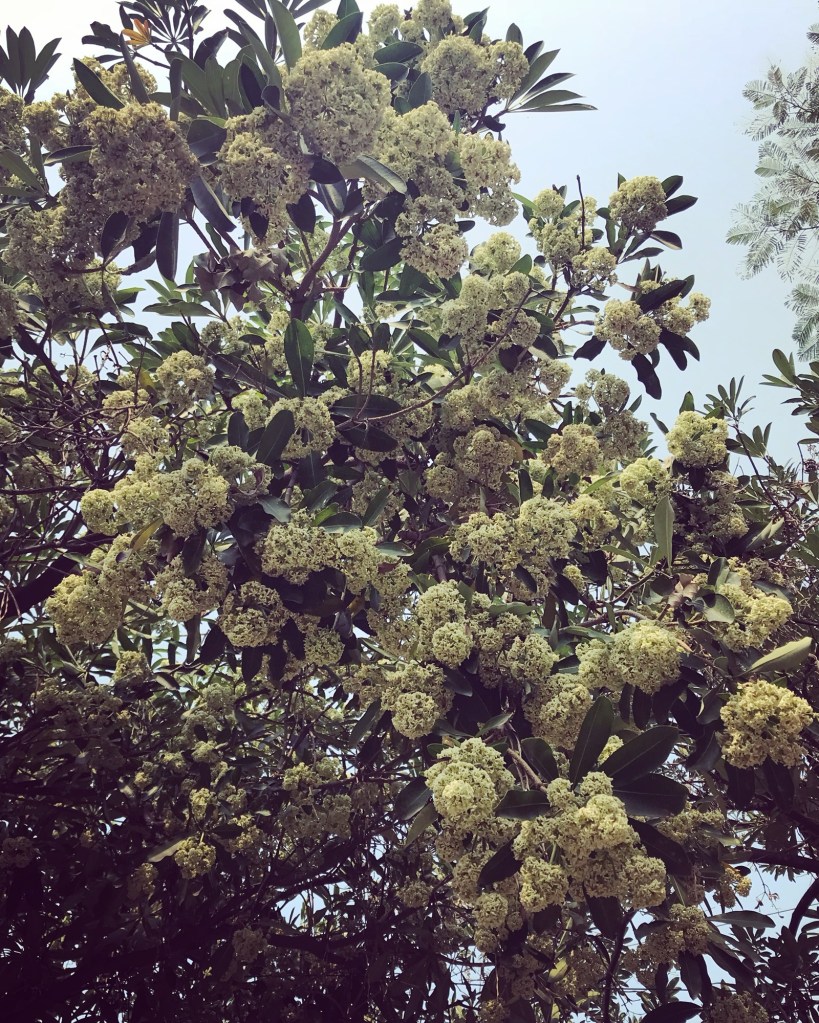
Winter hasn’t kicked in yet, but this mixed weather can really confuse you. I did miss doing a proper Diwali pooja in my Mumbai home, as I very well know where all the Pooja stuff is kept. In my MIL’s place, it’s nice but I kind of make-do with what we have in hand. But Diwali is truly the time to be with his parents. It feels complete. Shows me what matters the most. Not the decorations or Instagram-worthy home corners but a feeling of togetherness.

The pollution on the next day of Diwali sometimes makes us cuss for the fact that we are out of Mumbai, but the feeling settles down soon. We try to catch up on reading and sleeping early here. It’s also nice to dry your clothes in sun on ropes lined up on huge verandahs. Something that I don’t even dream of in Mumbai.

I like looking at the way people garden here. Mint is everybody’s favourite. Rose is next. Curry leaves. Some people also keep little boxes near their gates to store grains for the birds. Some people are fond of fragrant flowers like Madhu Malti, Raat ki Rani, Harsingar Parijat (night-flowering jasmine). People also like to grow bougainvillea. I also love those white and red brick houses. It just adds to the whole countryside view. 

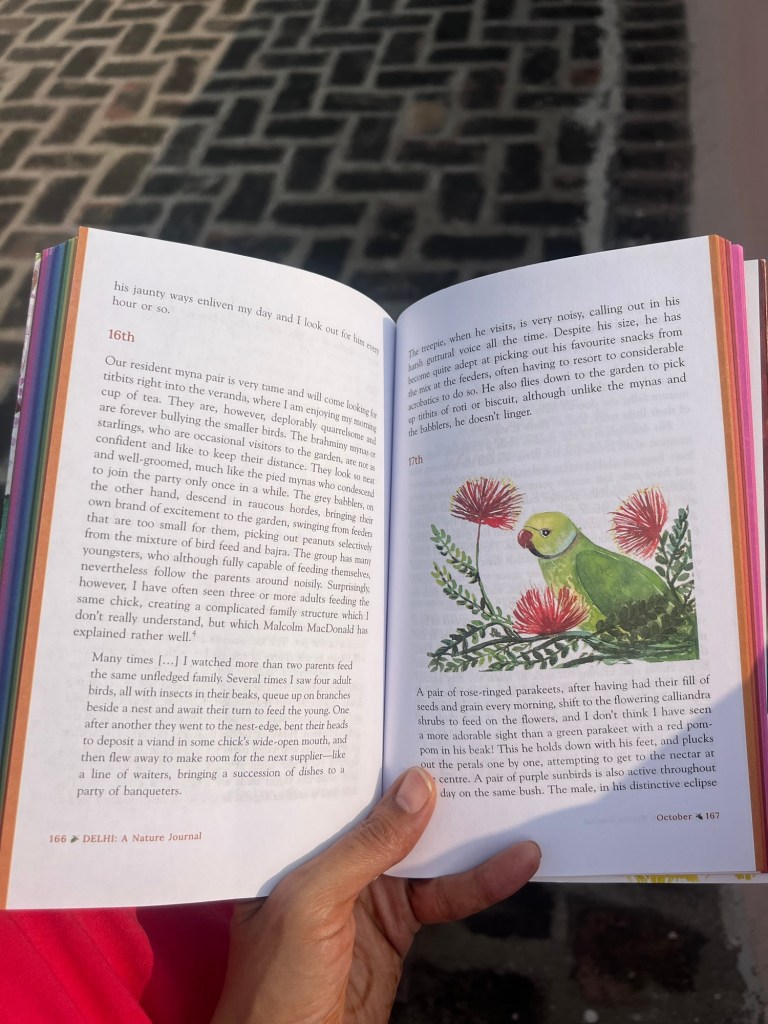
Rohtak is also a birds’ paradise. I see bulbuls, babblers, sparrows, parrots, robins, kingfishers, bee eaters, mynas, drongos and a few other beautiful birds around in gardens and kitchen windows. Once, I happened to spot a pied kingfisher. Didn’t know such monochrome-coloured kingfishers existed too. From the house terrace, the sound of the chattering of parrots is a constant.

When working in the kitchen or sitting in the corridor, I hear various announcement-making vehicles crossing by. Some sell veggies, some buy scrap materials. Some fix khaats (a locally made bed that can be assembled and dismantled in seconds). Around evening time, you’ll see women going to get milk in huge steel cans. It’s kind of an exercise for them and they thoroughly enjoy chatting around.

During winters, you’ll see men and women selling kacharis on their carts around the city. Which is why, it makes entry in our chutneys in the mornings.
The greenery, women sweeping leaves in parks, laid-back schedules, birds chirping around dense trees, the crushing sound of the leaves, ant colonies, droplets of water on grass that you find in the mornings, flowers laid on the roads—every sign of winter in nature is a beautiful revelation.
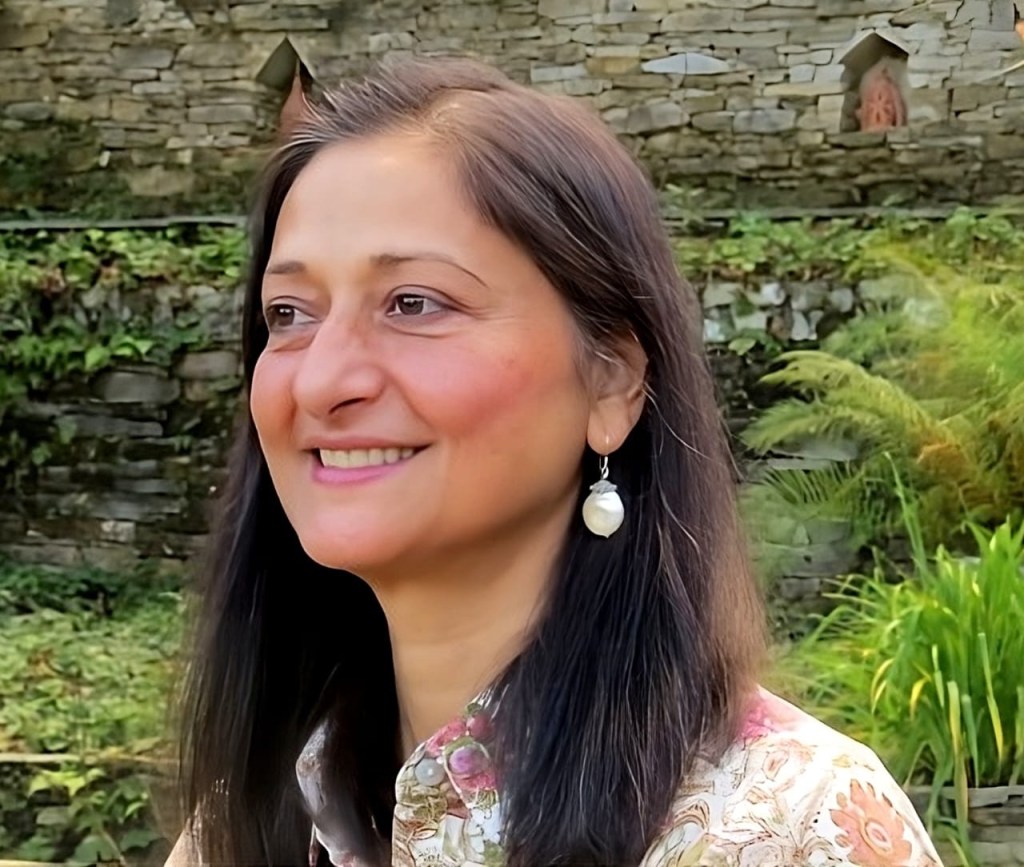
Taste Memory Talks | Series Two | Namita Tiwari

Namita Tiwari, who is the co-founder of the homestay, Himalayan Homestead, has always been an explorer when it comes to food and nature. Luckily for her, moving to the mountains worked wonders.

Apart from opening their home for the world through their homestay, she also started her little jam company to benefit the local women. 

Her blog is a one-stop destination for baking recipes. And I truly love the way she describes the little things happening around her—from the birds and flowers to the evolving seasons.

When I first tasted her jellies, jams and preserves, I got to know her talent to make fresh, chunky and flavourful spreads that I loved using on my rotis and toasts. Only yesterday, I ordered a big bottle of apricot jam, and I love every spoonful of it!

Namita inspires us to not just bake well, but to also infuse local flavours and alternative/healthier twists. And for the rest, one can always bow down to nature and keep going, just like her, for it has all the answers. 

Deepika: Why do you bake? Tell us your story behind this love. 

Namita: “I love baking. It is more than a hobby. It is therapy for me. Mixing ingredients, watching them transform in the oven and creating something healthy and delicious gives me a sense of purpose and accomplishment like nothing else. It’s a form of creative expression that nourishes my soul and those I share my bakes with. Baking at home ensures the purity of ingredients both for us and our guests. When we bake bread, cakes, muffins, cookies and brownies at home, it becomes a sustainable process.

I was a child when I baked my first cake with my father. That’s my first memory of it. We collected sand from a brook that flowed through our fields. It was washed, dried and filled up in the cooker. We placed our batter in a pan. It rose high and then sank. But, it was perfect in taste. From there, started my love for baking.”

Me: How did you get into baking and jam-making? What was the initial struggle like? 

Namita: “I started baking in an era when we had no internet at home (in the late ’80s). I followed a basic bread recipe shared by an aunt. Initially, I struggled a lot with yeast (as it was available in only one shop in our entire town). There were no bread pans available either. There was no thing called ‘online shopping’.  

Baking is a journey. With practice, you evolve and learn. With time, you learn to get the right consistency, texture and tested recipe. This is your personal journey. It’s both involving and gratifying.

We had a tradition of jam-making at home. I have grown up watching piles of fruits being processed into jams and jellies; the kitchen being flooded with the aroma of jams bubbling on the stove. That’s how jam-making comes naturally to me. And now, with our homestay, it becomes even more purposeful to make preserves and jellies with organic fruits of the hills.”

Me: What inspired you to start your blog? Apart from writing recipes, did you always enjoy nature writing? 

Namita: “My blog, Ambrosia, was born in 2012. This was a crucial juncture in our lives. We were winding up our work in the town and planning to relocate to the hills. My kids were young. So, the idea was to make the blog a treasure trove of recipes, stories and memories of our lives in the foothills and beyond.

Ambrosia was a self-designed blog with few recipes and fewer followers. Blogging opened a whole new world to me. Slowly and steadily, followers came, words of appreciation came in, and so did the opportunities. A blog gives you an identity in the blogosphere. It is an involving activity and a source of happiness. It helps to connect with likeminded people.”

Me: When did you move to the mountains? How exciting was it to design your own mountain home? 

Namita: “We moved to the mountains eight years ago. It was a pleasurable experience to design our home, the home kitchen and the baking studio. We wanted the construction to gel with the elements of nature. All the rooms have trees around it. For instance, there are broad windows in the rooms that ensure a lot of natural light and fresh air. The baking studio has a view of the majestic Himalaya as well. We wanted a concept wall in the studio, a natural design made with natural material. We walked about 5-6 kilometres to a river and collected the tiny, round pebbles for the design on the wall. Such a pleasure it was!”

Me: How is baking in the city different from baking in the mountains? Which were the local ingredients you got to try?

Namita: “Baking in the hills is a different ball game altogether.  Air pressure is lower, so it takes longer to bake. Bread dough and cake batters need extra liquids to get the right consistency. Oven temperature needs to be increased. All this learning happens with experience and practice. 

We strongly believe in sustainability and for baking, we source most of the ingredients from our ecosystem. We bake with local and alternative flours like ragi, cornmeal and amaranth. We use the herbs from our garden, wild berries and nettle from the wild.”

Me: What were the key challenges that you had to combat in setting up your own food label?

Namita: “Having my own jam label was a dream that was born in the hills. Staying in the hills gave me a chance to interact with the local women. The socioeconomic status of the women is sad. And I wanted to reach out and help them. 

Our project is primarily to help these women. Through this project, we connect and work with the community. Besides using the fruits of our orchard, we buy the fruits from women farmers. We also employ village women in the process and thus, help them financially. Luckily for us, we have been shipping to every nook and corner of the country.”

Me: Before you sign off, give us a few tips to make bread and jams. 

Namita: “Baking bread can be tricky if you don’t understand the science behind it. One needs to understand the right stage of bulk fermentation, the second rise, and the hydration level of the dough. 

For jams, the flavour of the fruit should stand out. The balance of sugar and the fruit, and the right setting point is crucial.”

All photos were shared by Namita Tiwari.