Taste Memory Talks: Safar Ke Saathi

I’m a slow traveller in life. I have my own pace, my own observations and my own learnings. It’s never defined by a trend or a person. I usually make my own silly mistakes (sometimes huge ones) or happy discoveries and learn along the journey.

I’m someone who dies for meaningful conversations. And so, recently, when I saw an 86-year-old enthusiastically solve his Sudoku puzzle and read a fat book, I was bound to start a conversation.

He said he was reading a food book about mangoes. And shared a few interesting snippets from the book. All underlined by him. But that wasn’t the start of the conversation.

He talked about his vibrant career in Science and his education graph. And places. Of course. That was the highlight of our conversation. He talked about Delhi, Lucknow, Japan, Lahore and more. He also took a note of this blog of mine. Not many people care to do that.

Towards the end of my talk (read: we were travelling together in a plane with my husband next to me who was as excited to talk to him), I recorded his voice and here, you can hear him out talking about Chandni Chowk and a few other dishes he loves in Delhi.

Dr Ashok Jain has an extremely interesting background. Born in Lahore and grown up in Bihar, he has seen life that is beyond my imagination. From teaching kids (without going to school) to getting big degrees thanks to his passion for Science, Dr Jain has come a long way and how.

He proudly calls himself a Dilli Walah. And I found whatever he said as golden words. His paper-like skin on his hands told me he’s truly lived a rich life even though his simple outlook can fool you. And that’s what I love about such people. Sometimes, the most interesting personalities (with their interesting clothes, makeup and whatnot) have nothing much to share—hardly any reflections in life. I would call that a poor life in true sense. While simple people like Dr Ashok Jain can make every minute of the hour interesting as they take you along their journey, slowly, without any rush.

Yes. I’m that traveller, who’d happily ditch her earphones and novel and carry on a chat of a lifetime. And it’s one of the reasons why I love travelling. Because it helps me forget the anxiety that I might have during flights or just random travel times.

Hear out a few things that he talked about with this little audio clip. What kind of a traveller are you?

Hope to meet you soon, Sir. Delhi is truly a beautiful city!

Taste Memory Talks | Series Two | Namita Tiwari

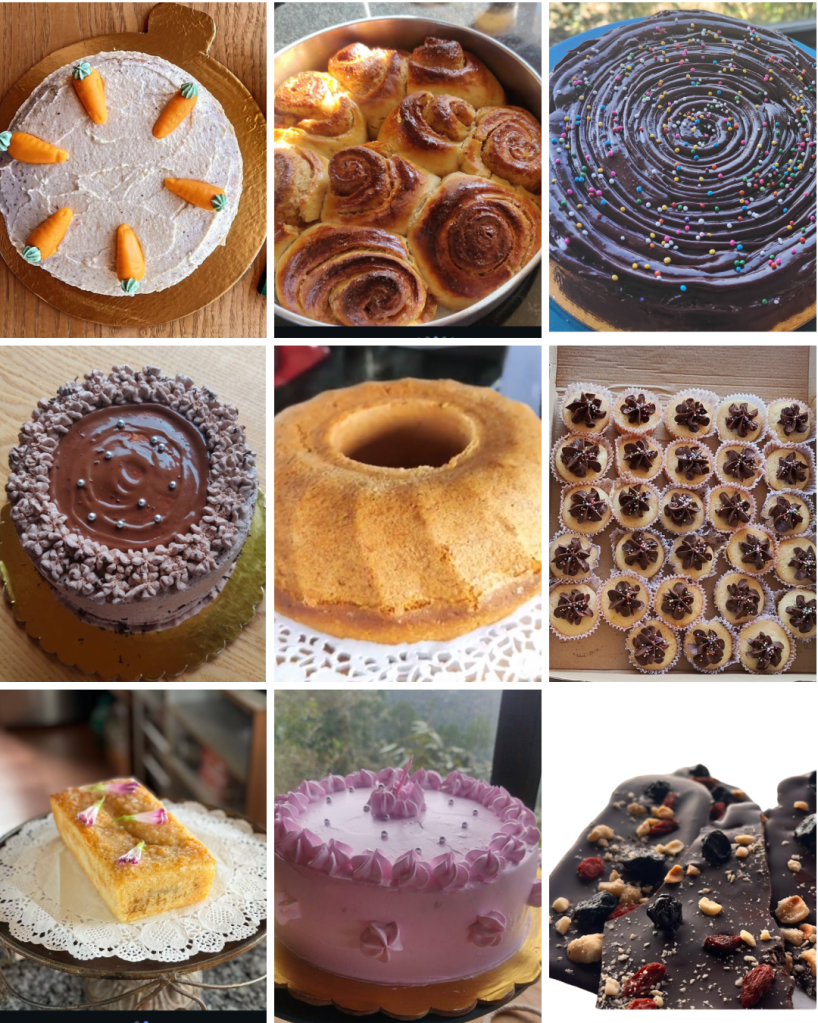
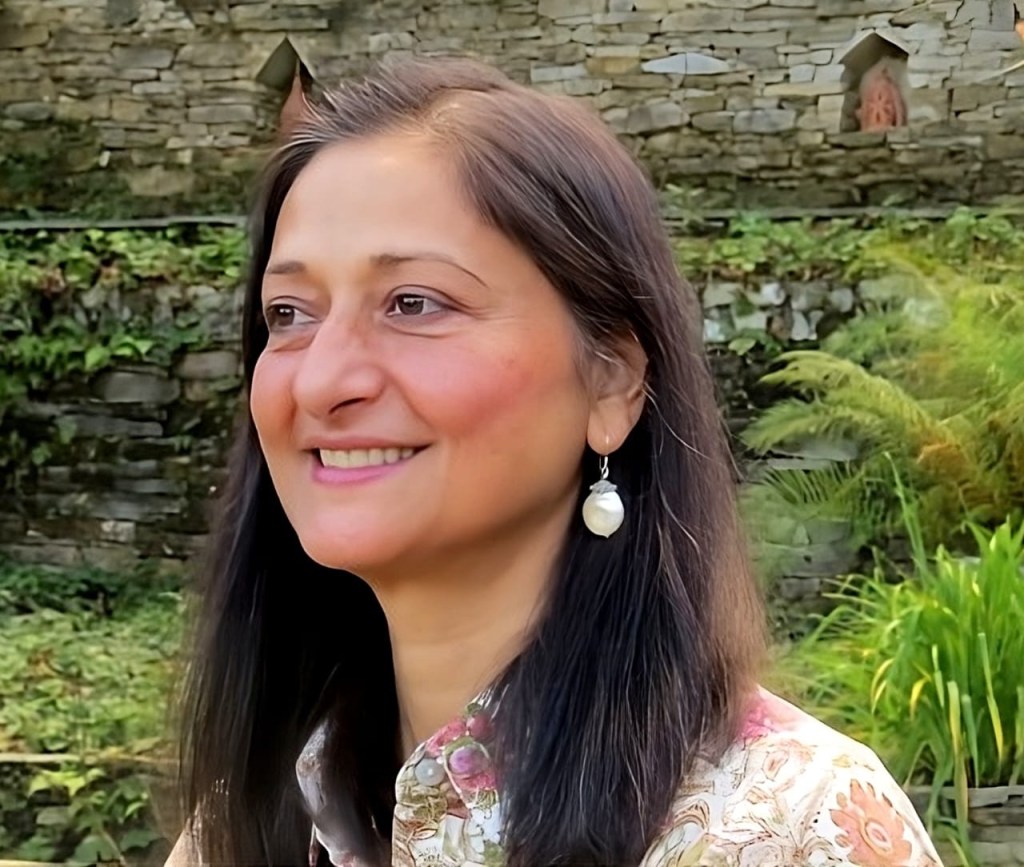
Namita Tiwari, who is the co-founder of the homestay, Himalayan Homestead, has always been an explorer when it comes to food and nature. Luckily for her, moving to the mountains worked wonders.

Apart from opening their home for the world through their homestay, she also started her little jam company to benefit the local women. 

Her blog is a one-stop destination for baking recipes. And I truly love the way she describes the little things happening around her—from the birds and flowers to the evolving seasons.

When I first tasted her jellies, jams and preserves, I got to know her talent to make fresh, chunky and flavourful spreads that I loved using on my rotis and toasts. Only yesterday, I ordered a big bottle of apricot jam, and I love every spoonful of it!

Namita inspires us to not just bake well, but to also infuse local flavours and alternative/healthier twists. And for the rest, one can always bow down to nature and keep going, just like her, for it has all the answers. 

Deepika: Why do you bake? Tell us your story behind this love. 

Namita: “I love baking. It is more than a hobby. It is therapy for me. Mixing ingredients, watching them transform in the oven and creating something healthy and delicious gives me a sense of purpose and accomplishment like nothing else. It’s a form of creative expression that nourishes my soul and those I share my bakes with. Baking at home ensures the purity of ingredients both for us and our guests. When we bake bread, cakes, muffins, cookies and brownies at home, it becomes a sustainable process.

I was a child when I baked my first cake with my father. That’s my first memory of it. We collected sand from a brook that flowed through our fields. It was washed, dried and filled up in the cooker. We placed our batter in a pan. It rose high and then sank. But, it was perfect in taste. From there, started my love for baking.”

Me: How did you get into baking and jam-making? What was the initial struggle like? 

Namita: “I started baking in an era when we had no internet at home (in the late ’80s). I followed a basic bread recipe shared by an aunt. Initially, I struggled a lot with yeast (as it was available in only one shop in our entire town). There were no bread pans available either. There was no thing called ‘online shopping’.  

Baking is a journey. With practice, you evolve and learn. With time, you learn to get the right consistency, texture and tested recipe. This is your personal journey. It’s both involving and gratifying.

We had a tradition of jam-making at home. I have grown up watching piles of fruits being processed into jams and jellies; the kitchen being flooded with the aroma of jams bubbling on the stove. That’s how jam-making comes naturally to me. And now, with our homestay, it becomes even more purposeful to make preserves and jellies with organic fruits of the hills.”

Me: What inspired you to start your blog? Apart from writing recipes, did you always enjoy nature writing? 

Namita: “My blog, Ambrosia, was born in 2012. This was a crucial juncture in our lives. We were winding up our work in the town and planning to relocate to the hills. My kids were young. So, the idea was to make the blog a treasure trove of recipes, stories and memories of our lives in the foothills and beyond.

Ambrosia was a self-designed blog with few recipes and fewer followers. Blogging opened a whole new world to me. Slowly and steadily, followers came, words of appreciation came in, and so did the opportunities. A blog gives you an identity in the blogosphere. It is an involving activity and a source of happiness. It helps to connect with likeminded people.”

Me: When did you move to the mountains? How exciting was it to design your own mountain home? 

Namita: “We moved to the mountains eight years ago. It was a pleasurable experience to design our home, the home kitchen and the baking studio. We wanted the construction to gel with the elements of nature. All the rooms have trees around it. For instance, there are broad windows in the rooms that ensure a lot of natural light and fresh air. The baking studio has a view of the majestic Himalaya as well. We wanted a concept wall in the studio, a natural design made with natural material. We walked about 5-6 kilometres to a river and collected the tiny, round pebbles for the design on the wall. Such a pleasure it was!”

Me: How is baking in the city different from baking in the mountains? Which were the local ingredients you got to try?

Namita: “Baking in the hills is a different ball game altogether.  Air pressure is lower, so it takes longer to bake. Bread dough and cake batters need extra liquids to get the right consistency. Oven temperature needs to be increased. All this learning happens with experience and practice. 

We strongly believe in sustainability and for baking, we source most of the ingredients from our ecosystem. We bake with local and alternative flours like ragi, cornmeal and amaranth. We use the herbs from our garden, wild berries and nettle from the wild.”

Me: What were the key challenges that you had to combat in setting up your own food label?

Namita: “Having my own jam label was a dream that was born in the hills. Staying in the hills gave me a chance to interact with the local women. The socioeconomic status of the women is sad. And I wanted to reach out and help them. 

Our project is primarily to help these women. Through this project, we connect and work with the community. Besides using the fruits of our orchard, we buy the fruits from women farmers. We also employ village women in the process and thus, help them financially. Luckily for us, we have been shipping to every nook and corner of the country.”

Me: Before you sign off, give us a few tips to make bread and jams. 

Namita: “Baking bread can be tricky if you don’t understand the science behind it. One needs to understand the right stage of bulk fermentation, the second rise, and the hydration level of the dough. 

For jams, the flavour of the fruit should stand out. The balance of sugar and the fruit, and the right setting point is crucial.”

All photos were shared by Namita Tiwari.

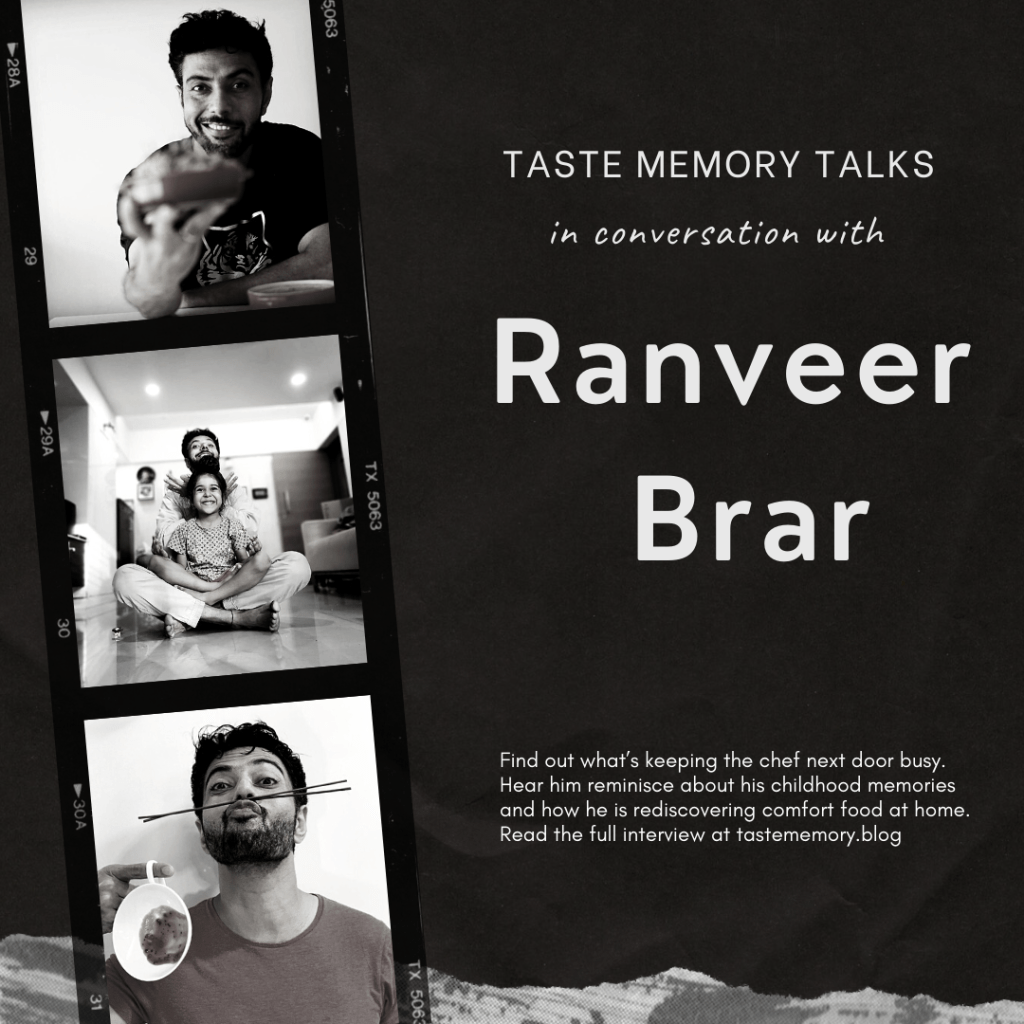
Taste Memory Talks: Series two—Ranveer Brar

He is India’s chef next door for millions of home cooks who find his cooking effortless and fun. Behind his modest smile is his strong culinary repertoire that makes chef Ranveer Brar stand out in the crowd. Here, he talks about his family life as he’s homebound, like the rest of the world, during these COVID-19 times

Being at home is something every chef must be grateful for these days, as their routines slow down. Chef Ranveer Brar is no different. He’s at his Mumbai home with his family and has been balancing out his time while creating content for his followers on social media. “Spending time with my son is something I was not able to do due to to my frequent travels, so, this is a great opportunity for me to catch up with the family,” says Ranveer.

The magic of home cooking

Ranveer loves the fact that he’s getting to cook for his family during these tough times. “As chefs, sometimes, we tend to get lost in the glamorous food of the commercial world. For me, now is the time to rediscover the comfort of home food,” says the chef. Ranveer supports the thought of making the best out of the resources that are made available at home. “I have always believed that less is more, and it’s the principle that is in force now more than ever,” says Ranveer, who likes to indulge in quick/cheat meals for his son and himself.

Bonding with his child

For any parent, being stuck at home without any outdoor activity can be nerve-wracking, but, for Ranveer, this time is all about enjoying every day with a positive mindset that helps one see a broader picture. “It is a challenge to keep kids constructively occupied at this time, especially when we are all mostly confined indoors. But, it is also a blessing in its own way. Try and inculcate healthy habits in kids, plan interactive family activities rather than leaving the kids alone to be entertained with digital media all the time. Rebuild that family bond,” he says.

Keeping busy at home

Apart from creating content for his brand and the ones he’s associated with, Ranveer is constantly doing recipes and live sessions on his Instagram page for his tribe. “Also, I’m catching up on my reading list and revisiting my bookshelf. Uncommon Type by Tom Hanks, The Third Curve by Mansoor Khan and Food for Thought – Thought for Food are some of the titles I’m reading at present. I’m also watching the latest season of Money Heist and Sherlock, my current favourite digital series,” says Ranveer.

Revisiting childhood summers

As a kid, Ranveer clearly remembers the train travels that he took with his family from Lucknow to Punjab. “The one thing about those journeys that pops up in my mind is the safar ka khana or the travel food that my mum cooked for us. It was unforgettable,” says Ranveer. Apart from this, the chef remembers being with his grandmother—whom he fondly calls Biji—in their ancestral kitchen or guarding the fields as a young boy. “Our summer holidays coincided with the harvest time for wheat, and after the harvest, we would sow alfalfa for the cattle. I was the guardian of the fields, and it was invariably my job to look after the crops. At that age, I used to feel a bit off when other kids at school would recite their interesting vacation stories and mine would be the same every year. But in retrospect, it’s become my most cherished memory,” says Ranveer.

Mango madness

We all have our own version of childhood stories when it comes to mangoes. And for Ranveer, his goes like this, “As kids, we used to pluck the mangoes from the trees, drop them in buckets of cold water and go off to play cricket (with bats that were made with mango tree branches) and come back to enjoy the juicy mangoes.”

The Pandemic effect

The five restaurants that Ranveer owns are currently operating with limited staff for deliveries, he confirmed. How will the pandemic impact the restaurant business? “The recovery from the COVID-19 situation would be a joint exercise, a give and take act between landlords, tenants and staff. Every one will have to pitch in. And this includes stretching the currency to stay afloat as well,” says Ranveer. Not just this, the food that would be cooked in professional kitchens might also see a streak of change, according to the chef. “Dishes ordered would be simpler. The menus—on the whole—would be smaller and simpler that would require less ingredients,” says Ranveer.

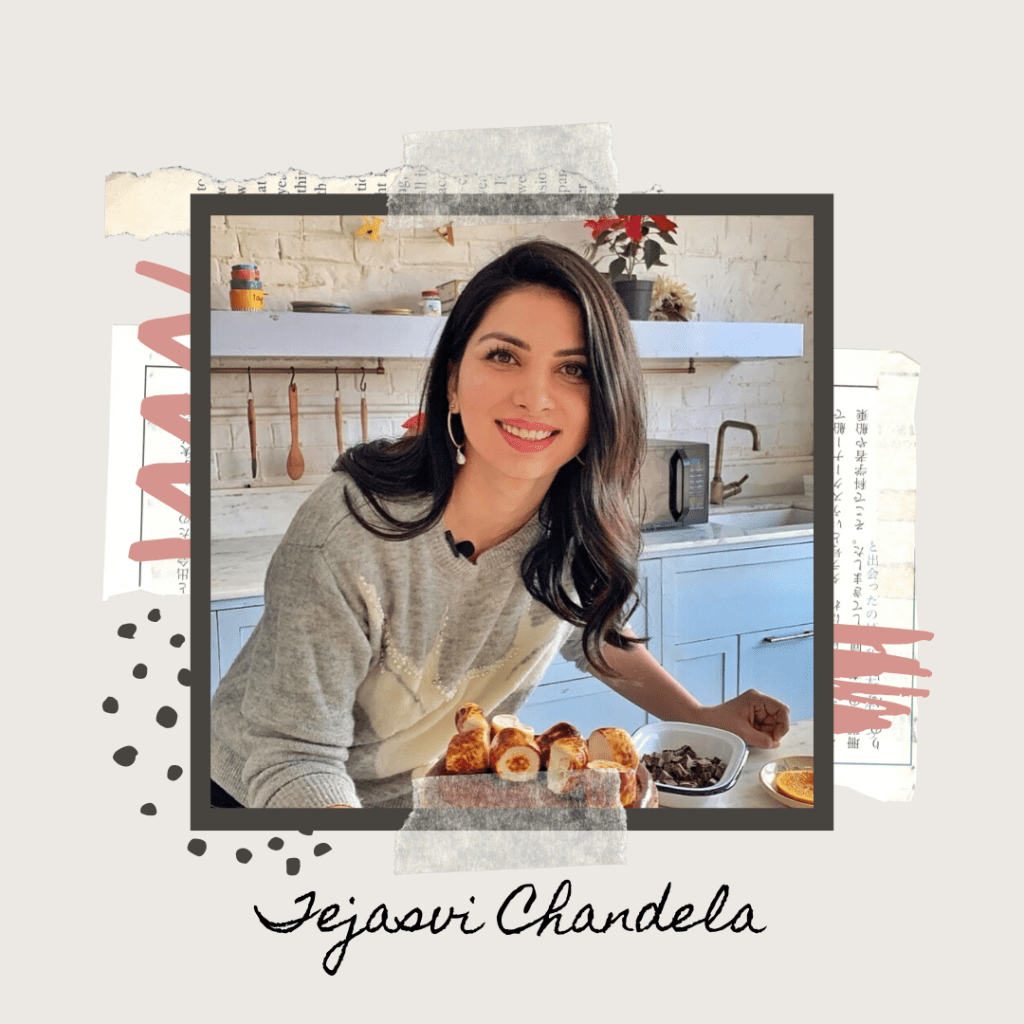
Taste Memory Talks: Series One—Tejasvi Chandela

Meet Jaipur-based Tejasvi Chandela, who is all set to take the baking world by storm. Here, she talks about her favourite desserts that she’s had around the world and gives us an update on her creative life.

Since the past few years, chef and entrepreneur Tejasvi Chandela took it all in her stride to excel in what she went on to do in life. From studying at Le Cordon Bleu in Paris to doing her masters in chocolate making at EPGB, Barcelona, she has come a long way to reach where she has. Today, she enjoys the sweet taste of success, as she is the proud co-founder of All Things—an artisanal chocolate label, and runs Dzurt (cafe and pâtissière) and Cut Chocolate Cake (a studio kitchen) for imparting workshops.

The current lockdown scene, however, has helped her push the envelope in terms of reaching out to more people and share her baking expertise with. Apart from doing tutorials on YouTube and on her social media page, she is busy reading (her current read is Macarons by Pierre Herme) and penning her first cookbook. The cherry on the cake is the time she gets to spend with her baby girl and family. “I’m trying to stay motivated as much as I possibly can. There are good days and bad days—but I’m sailing through it like everyone else,” says Tejasvi.

Know her signature style

Tejasvi likes to give her personal touch to everything she makes in the kitchen. She takes inspiration from her travels, experiments at her All Things’ factory space with the assorted bars of chocolate and finally, uses her mastered French techniques to lend her own touch to the recipes she’s had since childhood. “I like to stay true to what I love to eat, and bring that to the table. For instance, I love S’mores. So, I decided to get my own version at Dzurt (her pâtissière and cafe in Jaipur). I have got a S’mores Choux Bun, which is basically a choux bun with a chocolate cremeux filling, a brûléed marshmallow fluff on top with a house-made graham cracker stuck on the side,” says Tejasvi.

Debunking baking myths 

For Tejasvi, one should always have fun while baking. “Baking is therapeutic and I genuinely believe that the mindset in which the cake was made is exactly how it turns out in the end. Having said that, I find the cut-and-fold method while making a cake batter a waste of time. It means nothing and rather, incorporates air in the batter. Your cake should never be over-beaten once the dry ingredients go in, as that will make the cake even more dense. Just mix the batter with a whisk first and finish it off with a spatula,” she says.

A baking trick she swears by 

“Foil paper is my go-to buddy in the kitchen. It’s a fabulous thing to play with. Many a time, I use steel/aluminium rings (bottomless) to bake my cakes. While I do that, I just place a piece of foil underneath and scrunch it up from all sides and this gives me the perfect mould,” says Tejasvi, and adds, “If your cake is fully baked on the top, but, is raw from the inside, you can gently place a piece of foil paper on top of the mould and save the cake from burning or browning the top.”

Much-loved dessert moments 

Thinking about her favourite food memories, Tejasvi recalls, “Every Sunday, my father would make banana flambé for us kids. Even now, there are times when we pester him to make it.” She fondly remembers the first time she got to taste what she calls the best tea cake in the world—the Victorian sponge cake. “I had it for the first time next to the Windsor Castle, which was very close to my university in London. The feeling of sitting in the garden on an English summer day and eating a slice of that heavenly cake—I’ll never ever forget that taste,” says Tejasvi. When her classmate made Brigadeiro—a traditional Brazilian dessert—for her, she knew she could never forget the taste for a long time. “I was studying in Paris at the time. My Brazilian bestie, Lulu, and I took a weekend off and went to see my god mother at Les Sables-d’Olonne. I remember entering a grocery store, where Lulu picked up a can of condensed milk, dark chocolate, butter and cream. We went back to our apartment and she made Brigadeiro and it blew my mind,” says Tejasvi.

Predicting the future 

“Honestly, post-pandemic, I really hope our businesses can sustain. Looking at the current scenario, our industry is going to take a huge hit. Nevertheless, I hope chefs remain inspired and something amazing comes out of this. Wishful thinking can do no harm,” she says.

Taste Memory Talks: Series One — Shilarna Vazé

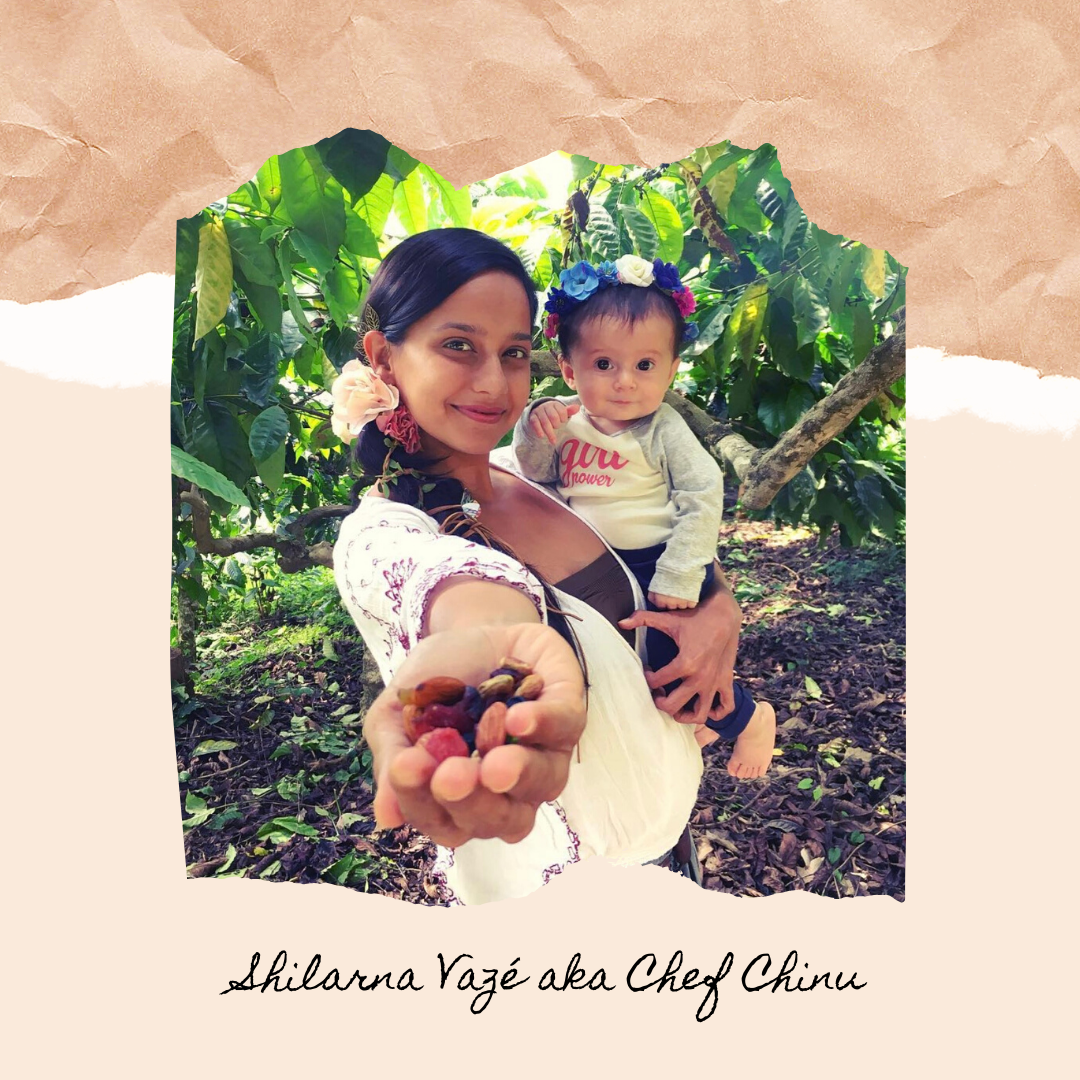
A passionate foodie, mum, TV host, author and co-owner of Gaia Gourmet (Bollywood’s most-loved catering label), Shilarna Vazé is an inspiration for many home chefs. Here, she talks about how she spends her self-isolation days at home and spills a few kitchen secrets.

Taste Memory Talks: How are you coping with the current self-isolation days?

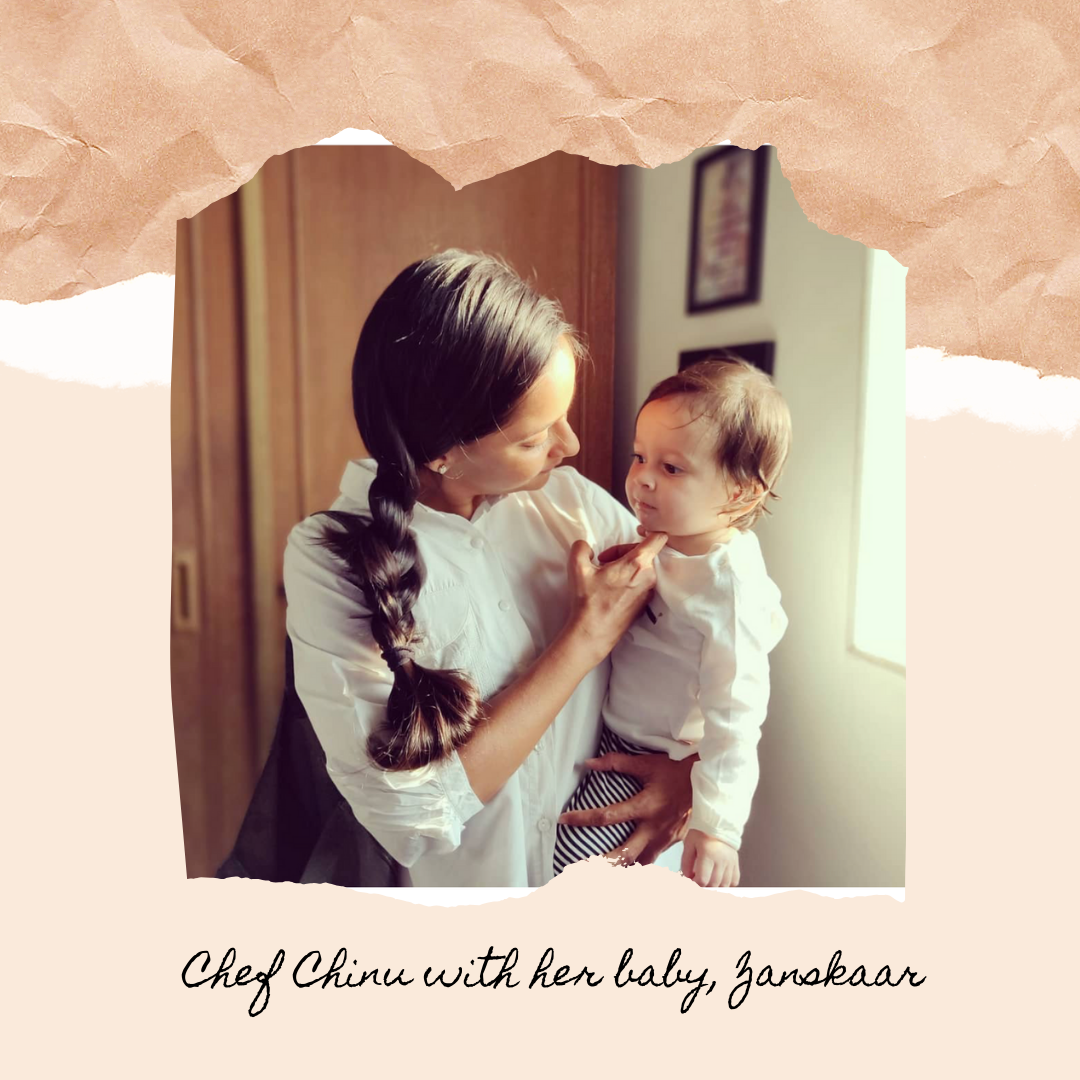
Shilarna Vazé: “As a working mom, I’m using this time to do all those things I said I wanted to do but didn’t have time to. Now, I can hang out with my baby without having an agenda of what’s next, cooking for my family and doing yoga (not as regularly as I would like). I’m enjoying this time without the pressure of our usual go-go-go lifestyle.”

TMT: What do you love to cook the most these days?

Shilarna: “I love to cook what I call ‘simple’ home meals but might not seem simple to a layman. It could be ramen one day or poha the next or a flourless chocolate cake! We basically cook what we feel like eating on a day!”

TMT: At home, which are the kitchen tricks and tools you swear by?

Shilarna: “A well-stocked pantry is the biggest essential. You can’t cook interesting food if you don’t have interesting and assorted ingredients in your kitchen. As far as tools go, my blender and oven are really being used. A good peeler and mortar pestle and a salad spinner are essential as well.”

TMT: Tell us a few food memories that are close to your heart. Also, a few of your favourite books.
Shilarna: “Varan bhat and fried fish from my childhood. The fondue that I had in the Swiss alps (reminds me of my husband’s home). Also, I’m a die-hard fan of amazing dim sums. When it comes to books, I like Island by Aldous Huxley, An Omnivore’s Dilemma by Michael Pollan and the Third Plate by Dan Berber.

TMT: Post-pandemic, what changes can you see in terms of food trends?

Shilarna: “I see everyone wanting to be more self-sufficient, wanting to cook more, grow more and come back to a slightly more holistic way of living.”

Taste Memory Talks: Series One — Garima Arora

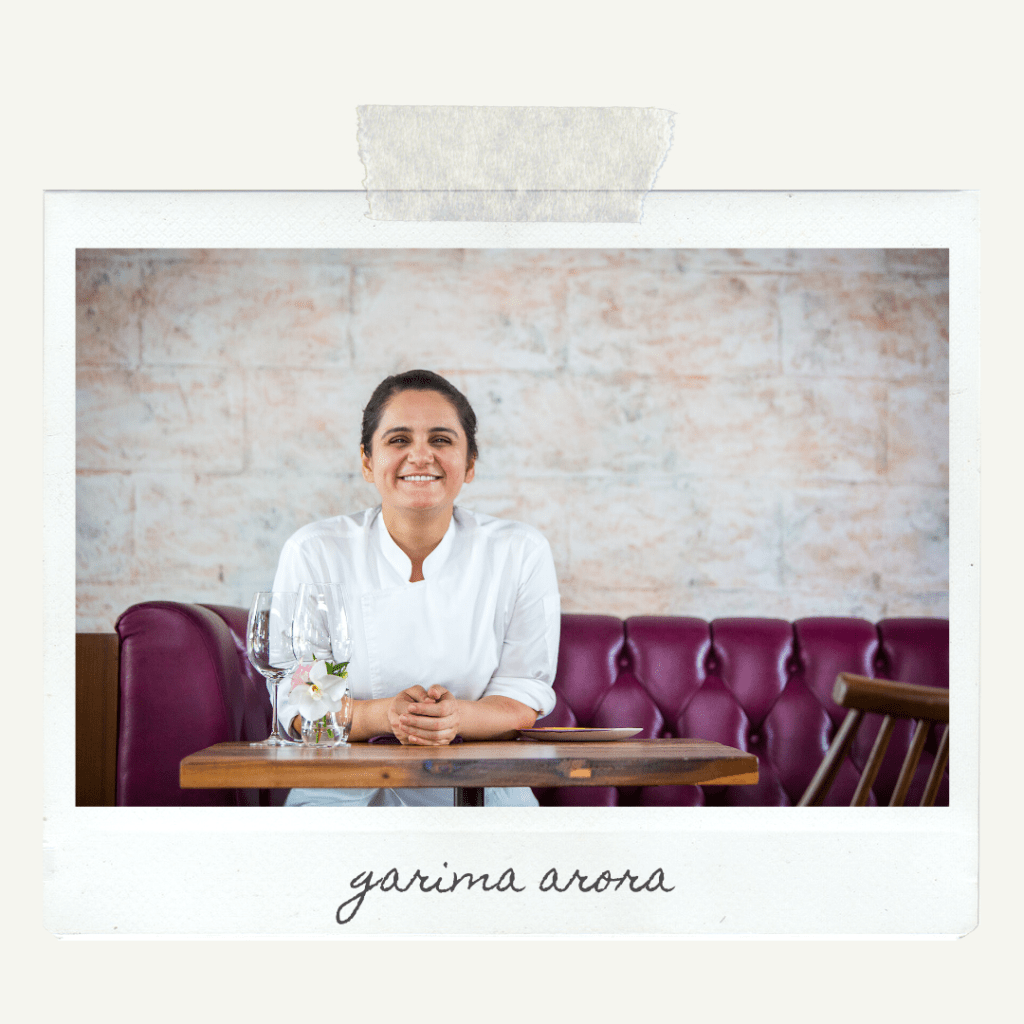
Michelin-star chef and restaurant owner, Garima Arora, shares her thoughts on life under lockdown, her most memorable meals, and why her dad is her biggest inspiration.

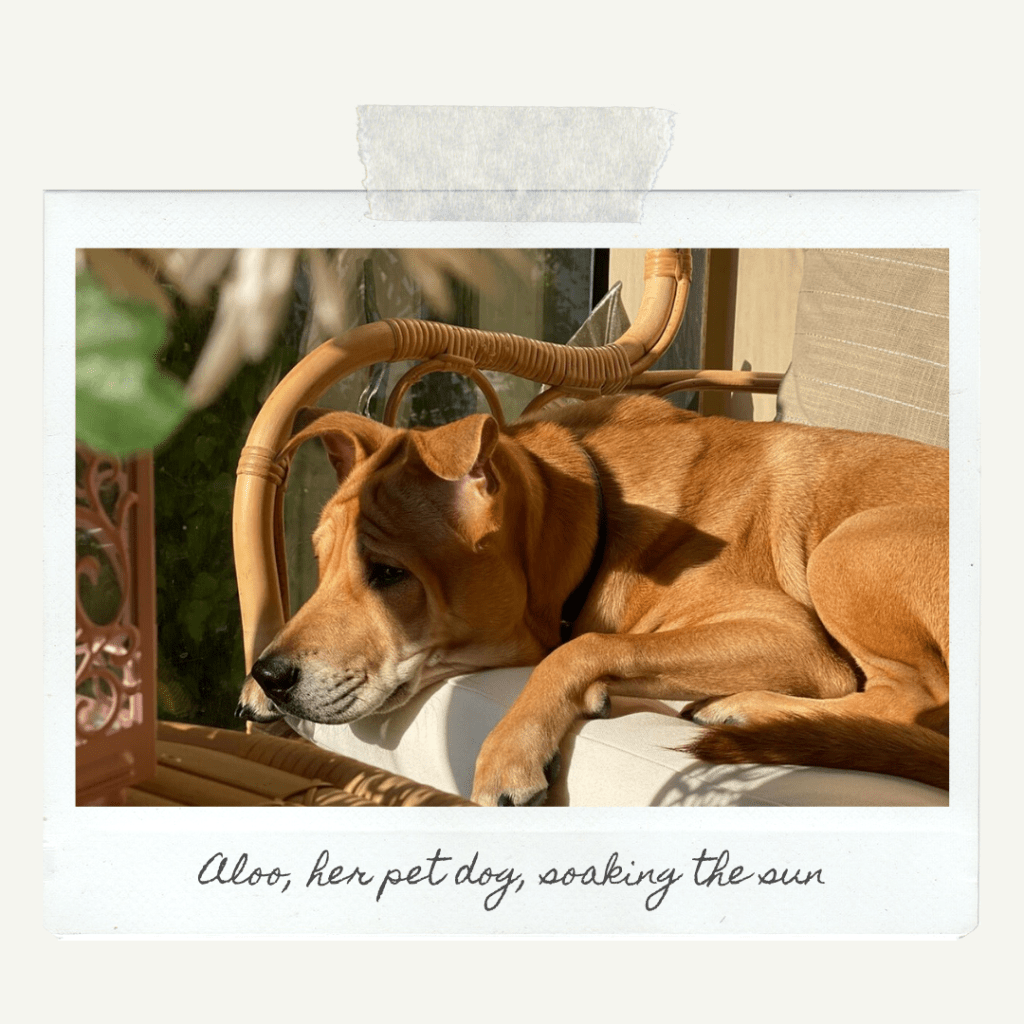
She is in Bangkok, far away from Mumbai, her home town. With the lockdown in place, Garima has embraced well to a slow lifestyle. How’s a typical day at home? “I’m a routine kind of a person. Every day, I take my dog, Aloo, for a walk at 8AM for about an hour, followed by my daily chai and a couple of hours of work, and then chores and some reading. I eat an early dinner with a glass of red wine. Before I head to bed I FaceTime with the husband (who is now in Mumbai),” says Garima.

Home life

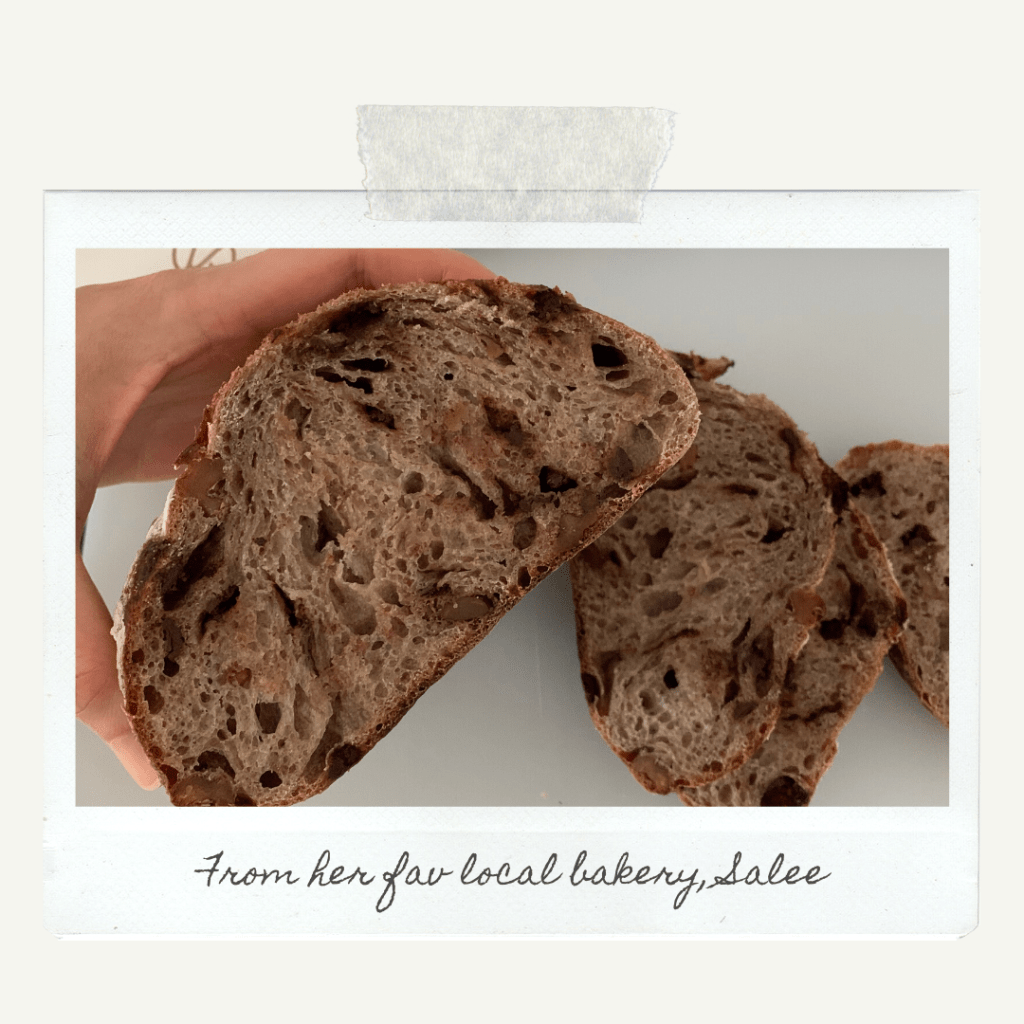
For Garima, her daily routine is all about living a healthy life. “Now that I have time, I take this opportunity to really focus on my health. It was challenging before when the restaurant was super busy all the time. These days, I enjoy cooking myself simple, healthy meals. My go-to meal is scrambled eggs with some good bread,” she says. Her local bakery, Salee, is her saviour when it comes to artisanal baked goodies. Garima is not at all into TV. She’d rather see something that inspires her to stay fit. “Of late, our PR manager has been sharing some good home workout videos on YouTube. I highly recommend Natacha Océane’s HIIT workouts,” says Garima.

Current reads

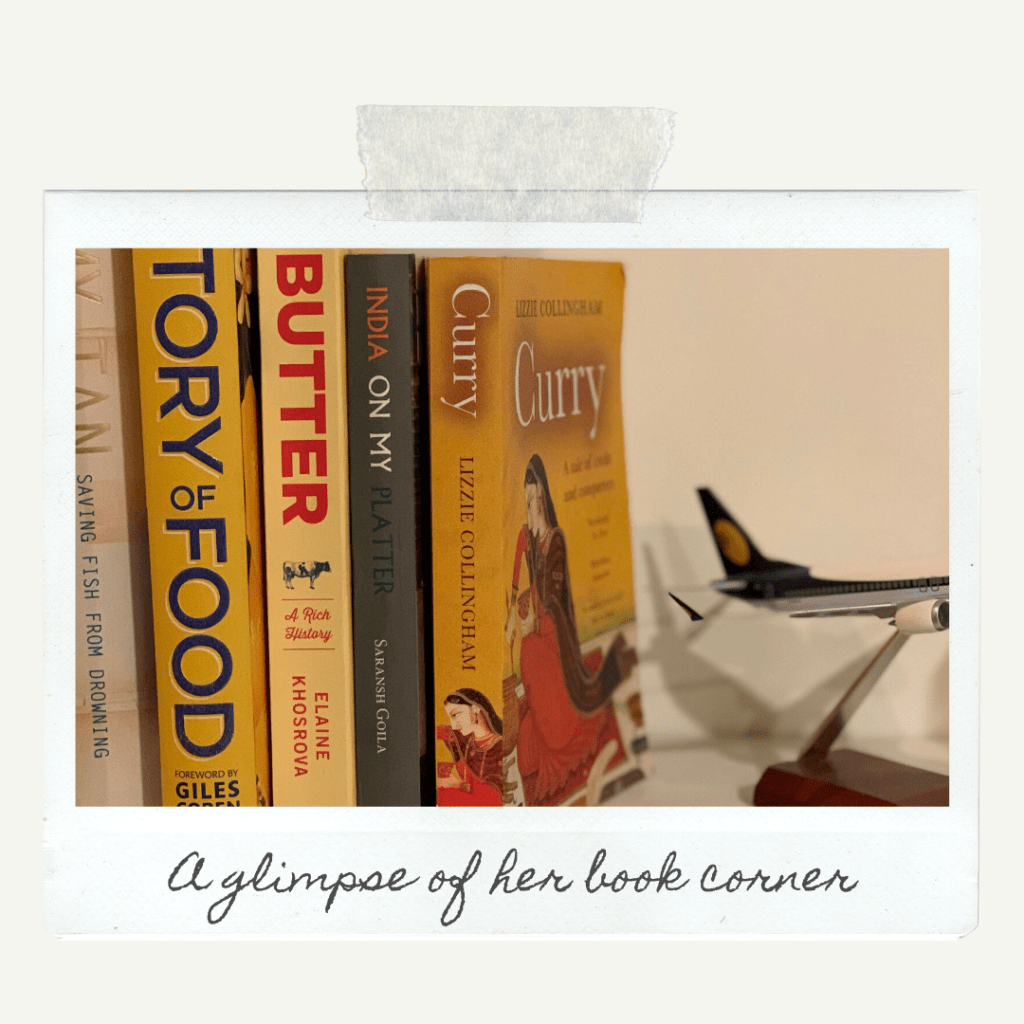
“I’m currently reading Curry by Lizzie Collingham and Butter, A Rich History by Elaine Khosrova. I just finished The Shining by Stephen King,” she says.

Kitchen inspiration

Her love for good food comes from the memorable meals her father cooked at home. “Being in the kitchen with my father as a child is definitely one of the most defining moments of my life. He travelled a lot and would bring back home (at the time) exotic recipes like hummus and baba rum. The reason I enjoyed his food so much was that he always cooked with pleasure and joy,” says Garima.

Food nostalgia

“My husband and I celebrated our first anniversary in Tromsø, Norway. One of the things that I remember fondly from that trip is the fish stew. The weather was really cold at the time and to have something hot and delicious like that was the best thing in the world. I pretty much had it everyday on that trip,” says Garima. The other dish she fondly remembers was prepared by the Filipino chef, Margarita Forés. “She whipped up this dish called Kinilaw—which is a Philippine ceviche—right in the middle of the market when we were in Manila last year. It was a salad—made with the freshest crab meat and coconut milk we’d ever had—tossed with palm vinegar and fresh chillies. I’m getting hungry just thinking about it!” adds Garima.

A home recipe close to her heart

“My father makes this pickled ginger that he always keeps at the dining table. The thinly sliced ginger is left in vinegar for two weeks at room temperature. It’s very simple to make and so versatile. It can be added to anything and will instantly brighten up any dish with some spiciness and acidity,” she says.

Post-pandemic trends

While home chefs are cooking day in day out to inspire themselves, what the future food trends behold is an unknown territory that’s tough to talk about. “Future predictions are guesses at best because how this all ends will mostly depend on how long this lasts. Right now, we are taking it day by day,” says Garima before signing off.